
Launching QuickPages on startup directories: a historical retrospective
This is a historical record of QuickPages' 2017 launch. It is useful as a founder retrospective, not as a current directory-submission playbook. Directory rules, audiences, ranking systems, and even the sites themselves have changed.
A launch directory can create an initial burst of visitors and secondary exposure, but the page still needs a distinct offer, a working signup path, and attribution that shows whether those visitors became useful users.
The original BetaList result
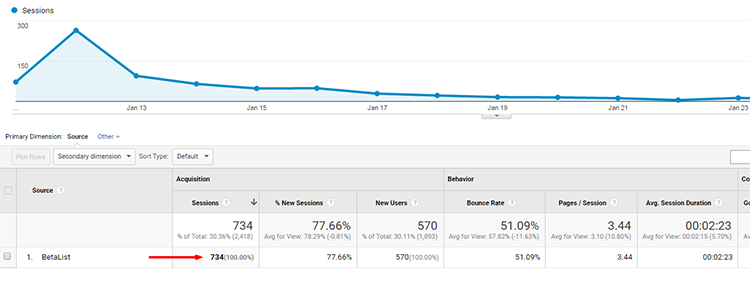
QuickPages was approved a little over three weeks after submission. The first day produced 72 referred visitors, while the second day produced approximately 264 and became the strongest day.
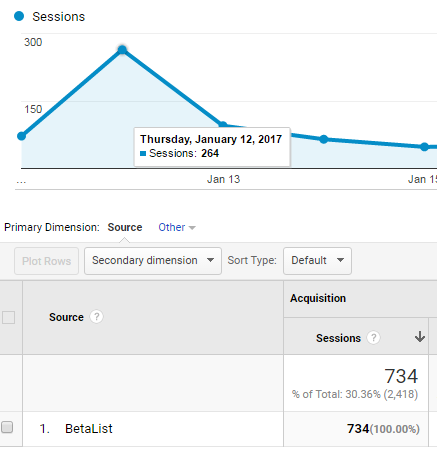
The third day produced 95 visitors, and traffic then declined over the following weeks. The original report counted 734 BetaList referrals in total.
Secondary exposure mattered
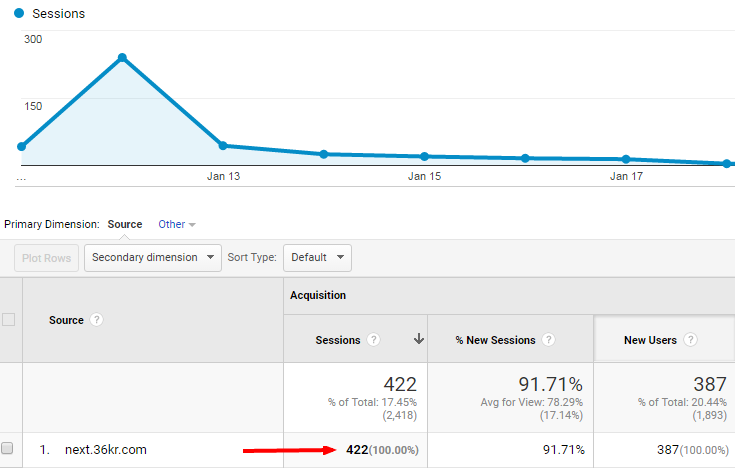
The listing was also discovered by bloggers and other directory operators. One Chinese technology directory ranked QuickPages first for a day and referred more than 400 additional visitors. This secondary distribution was at least as important as the original listing.
What the experiment taught us
QuickPages was submitted to more than 30 directories. Most produced little traffic; a small number produced measurable referrals, and a few led to unexpected coverage. The lesson is not to repeat the same directory list today. It is to track each placement separately and compare signups, activation, and retention rather than celebrating referral volume alone.
If you run a similar launch now, read the destination's current rules, create a page specifically for that audience, add consistent UTM parameters, and define the activation event that matters after signup.